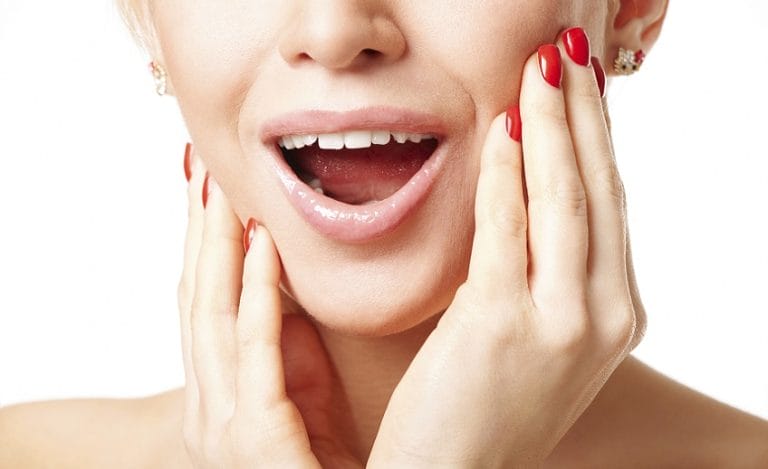
You’ve tried everything. New pillows, more water, less screen time before bed, cutting back on caffeine. And yet, almost every morning, you wake up with a headache — that dull, throbbing pressure around your temples, behind your eyes, or radiating from your jaw up into your skull.
You’ve probably blamed stress. Maybe allergies. Maybe you just figured you’re “not a morning person.” But here’s something most people never consider: your headaches might be coming from your mouth.
As a dentist, I can tell you that the connection between your jaw, your teeth, and your head pain is way more common — and way more direct — than most people realize. And if nobody’s looked inside your mouth as part of the headache investigation, you might be missing the answer that’s been right under your nose. Or more accurately, right behind your lips.
The Jaw-Headache Connection Most People Miss
Let’s start with some basic anatomy. Your temporomandibular joint — the TMJ — is the hinge that connects your lower jaw to your skull, right in front of your ears. It’s one of the most complex joints in your body. You use it every time you talk, chew, yawn, or swallow. That’s thousands of movements per day.
Now here’s where it gets interesting. The muscles that control your TMJ — particularly the temporalis and masseter muscles — are some of the strongest muscles in your body relative to their size. The temporalis muscle fans across the side of your head. The masseter sits along your jaw. When these muscles are overworked, strained, or locked in tension (say, from clenching your teeth for eight hours while you sleep), that tension doesn’t just stay in your jaw. It radiates. Into your temples. Behind your eyes. Down your neck. Up into your skull.
That morning headache you’ve been blaming on dehydration? There’s a very real chance it’s your jaw.
Jaw Clenching at Night: The Habit You Don’t Know You Have
Here’s the frustrating part about jaw clenching at night — you can’t catch yourself doing it. You’re asleep. Your conscious brain has clocked out, and your jaw muscles are free to do whatever they want. And for a lot of people, what they want to do is clamp down. Hard.
Nighttime bruxism (the clinical term for grinding and clenching) affects a significant percentage of adults. Some studies put it as high as one in three. And most of those people have no idea they’re doing it until the damage starts showing up — worn-down teeth, cracked fillings, receding gums, jaw soreness, and yes, those mysterious morning headaches.
The forces involved are genuinely impressive, and not in a good way. During sleep bruxism, your jaw can generate several hundred pounds of pressure per square inch. That’s significantly more force than normal daytime chewing. Your teeth aren’t designed for that kind of sustained load, and neither are the muscles and joints absorbing it.
So why do you wake up with a headache? Because your jaw just spent the night doing the muscular equivalent of a marathon, and your temples are paying the price.
Dental Causes of Migraines: It Goes Deeper Than You Think
Morning tension headaches are one thing. But what about migraines?
The relationship between dental issues and migraines is something that’s gotten a lot more attention in recent years, and for good reason. Dental causes of migraines can include TMJ dysfunction, chronic bruxism, malocclusion (a bad bite), and even referred pain from damaged or infected teeth.
The mechanism isn’t always straightforward. The trigeminal nerve — the main nerve responsible for sensation in your face — has branches that serve your teeth, your jaw joints, your temples, and large portions of your head. When there’s chronic irritation along any of those branches (from a misaligned bite grinding away night after night, for example), the pain signals can cascade. What starts as a jaw problem can trigger a full-blown migraine episode complete with light sensitivity, nausea, and the whole miserable package.
I’ve had patients who spent years bouncing between their primary care doctor and a neurologist, trying medication after medication for migraines, only to find significant relief once we addressed the dental component. Not every migraine is dental in origin, obviously. But if nobody’s evaluated your bite, your jaw, and your clenching habits as part of the picture, there’s a piece of the puzzle that’s been left on the table.
Signs Your Headaches Might Be Coming From Your Jaw
Not sure if your morning headaches are jaw-related? Here are some of the patterns I look for in my patients.
Your headaches are worst in the morning and gradually improve throughout the day. This is classic for nighttime clenching — you wake up with the accumulated tension, and it slowly dissipates as your muscles relax during waking hours.
The pain concentrates around your temples, the sides of your head, or behind your eyes. These are the exact areas served by the muscles that control your jaw. Temple headaches in particular are a red flag for temporalis muscle strain.
Your jaw feels stiff, sore, or tired when you wake up. Some people notice it immediately. Others don’t realize their jaw is sore until they try to open wide for that first bite of breakfast and feel the resistance.
You’ve noticed wear on your teeth. Flattened biting surfaces, chipped edges, or teeth that seem shorter than they used to be are telltale signs of bruxism. Your dentist has probably already pointed this out to you.
You catch yourself clenching during the day. Daytime clenching and nighttime clenching tend to go hand in hand. If you notice your jaw locked tight while you’re concentrating, driving, or stressed, there’s a good chance it’s happening at night too.
Your partner says you grind your teeth in your sleep. This one’s pretty definitive. If someone else can hear it, it’s happening.
You have clicking, popping, or locking in your jaw joint. These are signs of TMJ dysfunction, and they frequently travel with headaches.
What We Can Actually Do About It
This is the part of the conversation my patients like best — because there are real, effective treatments for this. You don’t have to just live with morning headaches.
Night Guards and Occlusal Splints
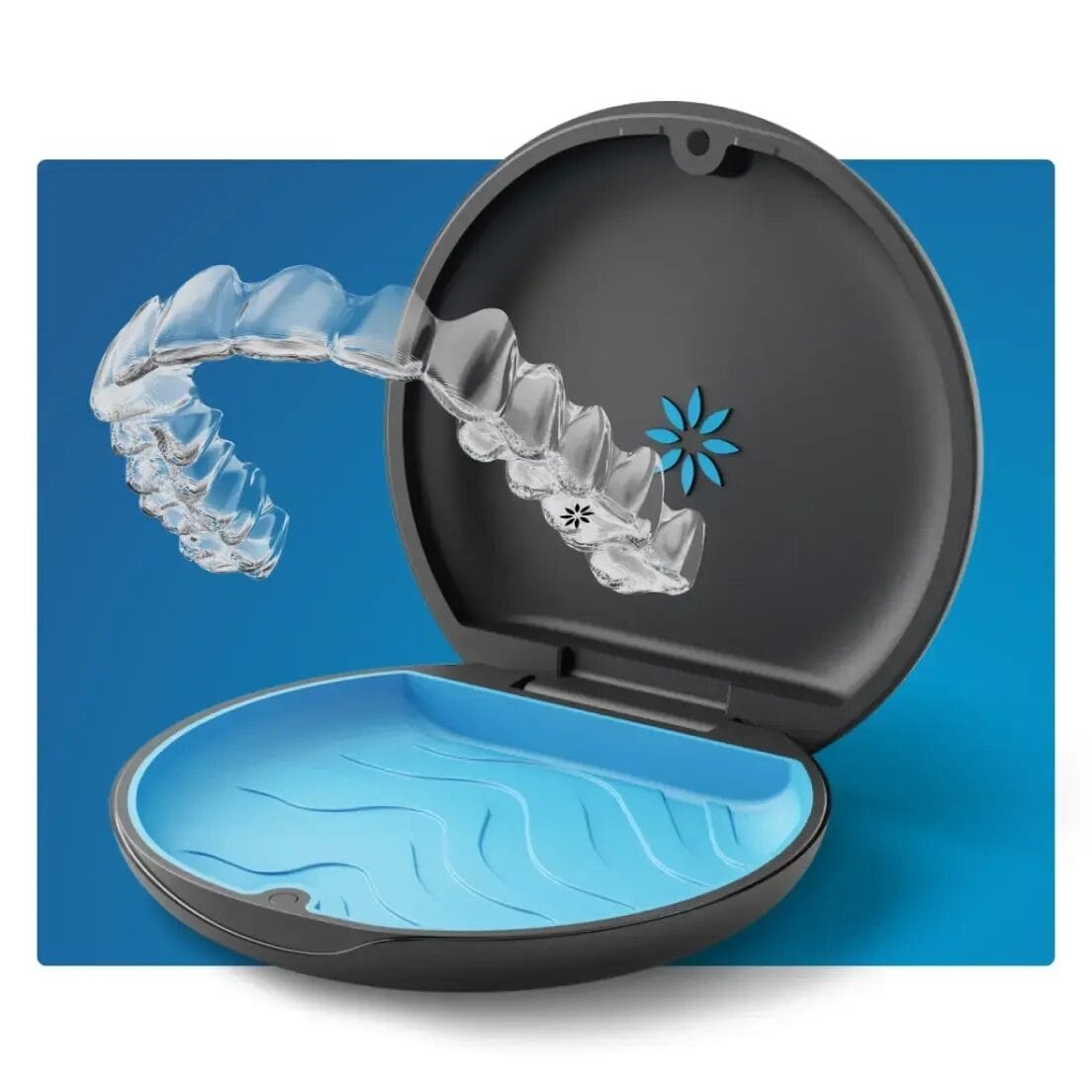
A custom-fitted night guard is often the first line of defense. It creates a barrier between your upper and lower teeth, absorbs clenching forces, and helps your jaw settle into a more relaxed position. Over-the-counter options exist, but honestly, they’re hit or miss. A professionally made guard that’s adjusted to your specific bite is a different experience entirely.
Bite Adjustment
If your bite is off — meaning your teeth don’t come together evenly — your jaw muscles have to work overtime to compensate. Sometimes a minor adjustment to the biting surfaces of certain teeth can redistribute the forces more evenly and take significant strain off the muscles and joints. It’s one of those small changes that can make a surprisingly big difference.
Botox for TMJ and Jaw Pain
This is the one that gets people’s attention. Botox for TMJ has become an increasingly popular and effective treatment for chronic jaw clenching and the headaches that come with it. And yes, it’s the same Botox you’re thinking of.
Here’s how it works: small amounts of Botox are injected directly into the overactive jaw muscles — typically the masseter and sometimes the temporalis. The Botox partially relaxes those muscles, reducing the intensity of the clenching without affecting your ability to chew or talk normally. Think of it as turning the volume down on muscles that have been stuck at full blast.
The results can be remarkable. Patients who’ve been waking up with headaches for years often notice a dramatic reduction within a couple of weeks of treatment. Botox for jaw pain isn’t just about cosmetics (though it can slim a squared-off jawline as a nice side effect) — it’s a legitimate therapeutic tool for managing bruxism-related pain and the headaches that come with it.
If you’re in the Port Washington area and you’ve been dealing with chronic jaw tension or morning headaches, Botox for jaw pain in Port Washington is something we offer right here at 3V Dental. It’s quick, minimally uncomfortable, and the effects typically last three to four months before a touch-up is needed.
Myofunctional Therapy and Lifestyle Modifications
For some patients, part of the solution involves retraining the muscles and habits that contribute to clenching. Myofunctional therapy — exercises that improve tongue posture, lip seal, and jaw relaxation — can be a helpful complement to other treatments. Stress management techniques, avoiding caffeine late in the day, and being mindful of daytime clenching habits all play supporting roles too.
Addressing the Bigger Picture
Sometimes morning headaches tied to jaw clenching are also connected to sleep-disordered breathing. When your airway narrows during sleep, your jaw can clench as a reflexive attempt to keep the airway open. In those cases, treating the clenching alone isn’t enough — we need to look at the airway as a whole. This is where a collaborative approach with sleep medicine specialists becomes important.
Stop Guessing and Start Looking in the Right Place
If you’ve been waking up with headaches and you’ve exhausted the obvious explanations, it might be time to let your dentist take a look. We’re trained to spot the signs of bruxism, TMJ dysfunction, and bite-related strain that most other providers aren’t specifically looking for.
Your morning headache might not be about hydration or your pillow or your stress levels — though those things certainly don’t help. It might be about what your jaw is doing for eight hours every night while you’re completely unaware.
The good news is that once we identify the problem, the solutions tend to work well and work quickly. Whether it’s a custom night guard, a bite adjustment, Botox for TMJ, or a combination approach, most patients see significant improvement once we address the root cause.
You deserve to wake up without a headache. Let’s figure out why it’s happening.
Dealing with morning headaches, jaw pain, or TMJ symptoms? Schedule an appointment with 3V Dental in Port Washington — we’ll get to the bottom of it.