If you have noticed your gums pulling back or your teeth looking longer than they used to, you are likely dealing with gum recession. Many patients come to us at 3V Dental feeling worried or embarrassed about this change, and almost all of them share the same question: Can I fix this?
You are not alone in this. Millions of people struggle with gum recession at some point in their lives, and many do not realize it is happening until their sensitivity increases or they notice changes in their smile. Our goal here is to help you understand why gums recede, how we fix them, and how we support you every step of the way.
The short answer is yes. Receding gums can be treated, and in many cases the progression can be stopped or reversed. The longer answer is that the right solution depends on what caused the recession in the first place and how much gum tissue has already been lost.
Let’s take a closer look at what gum recession actually is, what you can do at home, and how we can help restore a healthy, confident smile.
What Are Receding Gums?
Gum recession means the gum tissue has pulled away from the tooth, exposing more of the root. It can happen slowly over years or more suddenly, depending on the cause. Some people notice it as small notches at the gumline. Others notice increased sensitivity to cold. Some see a visible change in their smile.
The important thing to know is that this is not just a cosmetic issue. When your gums recede, your teeth and roots become more vulnerable to decay, wear, and sensitivity. The gumline acts as a protective seal, and when it recedes, bacteria can enter more easily.
Catching the problem early makes treatment simpler. Even if your recession is more advanced, there are still effective solutions available.
Why Gums Recede
Understanding the cause is the first step to fixing gum recession. Here are the most common reasons we see in our practice.
Brushing Too Hard
One of the most common causes surprises people. Brushing with too much pressure, especially with a firm bristled brush, can wear away the gumline. Many patients who brush aggressively believe they are doing a good job. They are simply using too much force.
Gum Disease
Gum disease is a major cause of recession. When bacteria build up under the gums, inflammation breaks down the tissue and supporting bone. Over time, the gums pull away from the teeth.
Genetics
Some patients are born with thinner or more delicate gum tissue. Even with careful brushing, their gums may recede more easily.
Misaligned Bite or Grinding
If your bite is off or you clench or grind your teeth, the pressure on certain teeth can cause the gums to recede around those areas.
Hormonal Changes
Pregnancy, menopause, and puberty can increase gum sensitivity and make recession more likely.
Smoking or Vaping
Tobacco products reduce blood flow to the gums. This makes it harder for the gums to stay healthy and repair themselves.
Piercings or Trauma
Lip and tongue piercings can rub the gumline. Frequent rubbing can wear down the tissue over time.
Now that you know why recession happens, let’s talk about how we fix it.
How to Fix Receding Gums: Treatment Options
There is no one size fits all solution. The right treatment depends on how advanced the recession is, whether there is gum disease, and what your long term goals are. At 3V Dental, we examine your gums carefully and talk through each option so you feel completely informed.
Here are the treatments we use most often.
Professional Cleaning and Deep Cleaning
If your recession is caused by gum disease or inflammation, the first step is a deep cleaning, also called scaling and root planing. This treatment removes bacteria from below the gumline and smooths the root surface so the gums can reattach.
Deep cleaning is usually recommended when we see:
• Swollen or bleeding gums
• Pockets forming around the teeth
• Tartar below the gumline
• Early signs of gum detachment
When gum disease is treated early, recession often slows and may even improve.
Gum Grafting
Gum grafting is one of the most effective ways to restore lost gum tissue. This procedure takes tissue from one area and places it where the recession has occurred. Today’s grafting techniques are comfortable, predictable, and produce natural looking results.
We typically recommend gum grafting when:
• The roots are significantly exposed
• Sensitivity is strong
• Recession is located in an area important to your smile
• Continued recession may lead to tooth loss
Patients often tell us that grafting gave them back their confidence and helped reduce their sensitivity dramatically.
Pinhole Surgical Technique
The pinhole technique is a minimally invasive alternative to traditional grafting. Instead of taking donor tissue, the gums are gently repositioned to cover the exposed roots.
Benefits include:
• No stitches
• Faster healing
• Minimal discomfort
• Immediate cosmetic improvement
Not everyone is a candidate, but for those who are, the results can be impressive.
Bite Adjustment or Nightguards
If grinding, clenching, or bite pressure is causing recession, we need to address the pressure on your teeth. This usually includes:
• Adjusting the bite
• Creating a custom nightguard
• Managing stress related habits
When the pressure is corrected, the gums stop receding and treatment becomes more predictable.
Orthodontic Care
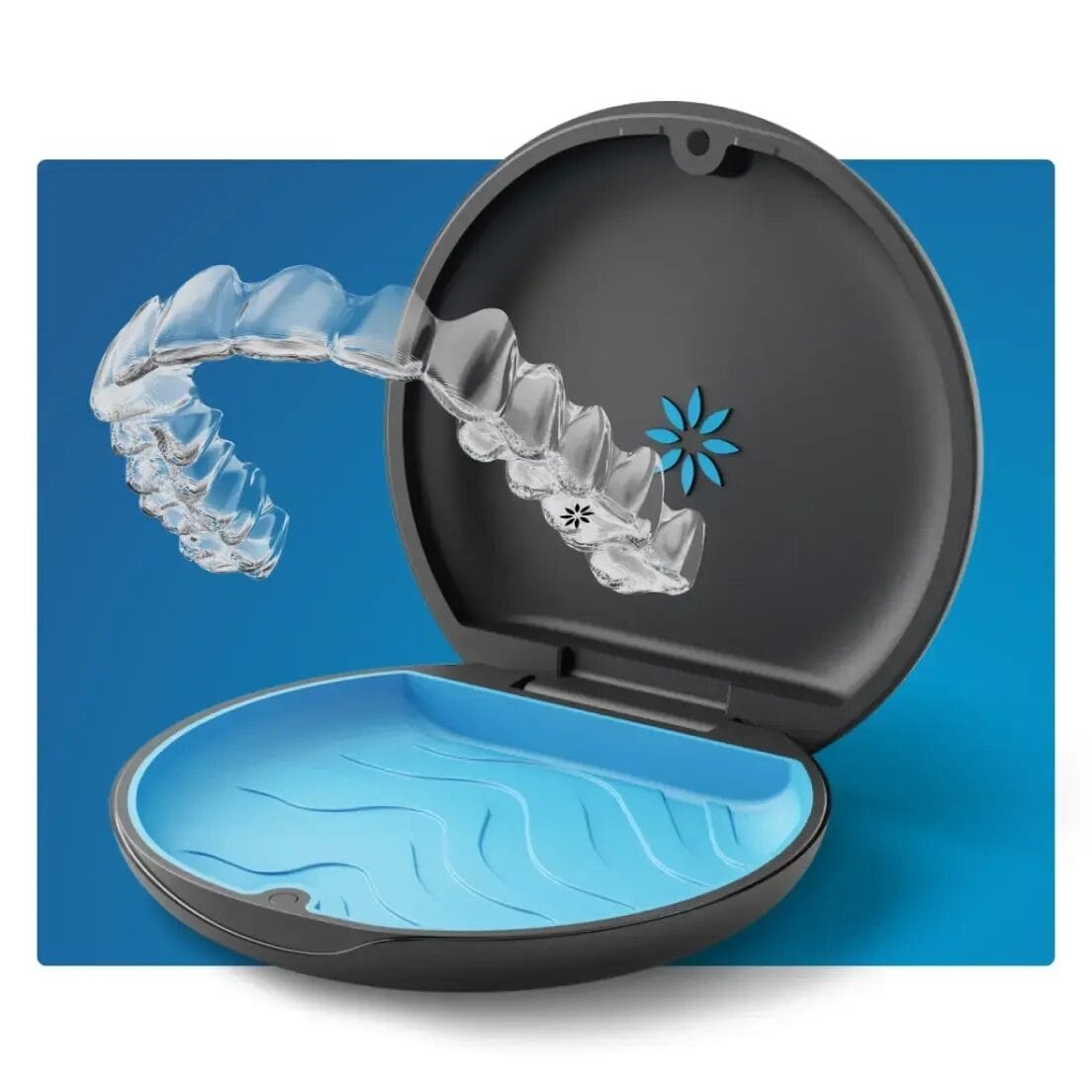
For patients whose recession is caused by crooked or overlapping teeth, aligning the bite can help reduce pressure on the gums. In these cases, clear aligners or orthodontic treatment may be part of the solution.
Medication or Rinses
Anti inflammatory rinses, antibacterial treatments, or medicated toothpastes can support healing and stop recession from progressing. These work well for patients with mild inflammation or early gum disease.
How You Can Help Fix Receding Gums at Home
Professional treatment is only part of the solution. Your habits play an important role in stopping recession and protecting the results.
Here are the most important steps you can take at home.
Switch to a Soft Bristle Toothbrush
A soft or extra soft brush is gentle on the gums. The goal is to clean the teeth, not scrub them. Brushing harder does not clean better. It only wears down the gumline.
Improve Your Brushing Technique
Tilt the brush toward the gumline and use gentle, circular motions. Pretend you are massaging your gums rather than scrubbing them.
If you are unsure, we can show you the technique at your next visit.
Use an Electric Toothbrush
Electric brushes apply the right amount of pressure automatically. Many even alert you if you are brushing too hard.
Floss Daily
Flossing removes bacteria between the teeth before it can irritate the gums. Cleaner gums are healthier gums.
Rinse With an Antibacterial Mouthwash
A gentle mouthwash can help reduce inflammation and prevent recession from progressing.
Avoid Tobacco Products
Smoking and vaping directly affect gum health. Quitting is one of the best things you can do for your gums and overall oral health.
Stay Consistent With Dental Visits
We monitor your gums closely and adjust your treatment plan as needed. Early intervention makes the biggest difference.
How Long Does It Take to Fix Receding Gums?
The timeline depends on the cause and treatment.
• Mild recession from brushing too hard can improve within weeks once brushing habits change.
• Gum disease related recession can improve within a few months after deep cleaning.
• Gum grafting results are immediate, with full healing in six to eight weeks.
• The pinhole technique produces instant cosmetic improvement with quick healing.
Every case is different. What matters most is addressing the cause early and staying consistent with follow up care.
Can Receding Gums Grow Back?
Healthy gums can tighten around the teeth after treatment, but severely receded gums do not grow back on their own. This is why professional care is important. Grafting and the pinhole technique are designed to restore the lost tissue in a natural way.
How We Help You at 3V Dental
You deserve care that feels personal, gentle, and supportive. At 3V Dental, we understand how overwhelming gum recession can feel, especially if you are worried about your appearance or your oral health.
Here is what you can expect from us:
• A careful, detailed examination of your gums
• Clear explanations of why recession is happening
• A personalized treatment plan
• Honest guidance about what works and what does not
• Minimally invasive options when possible
• Long term strategies to keep your gums healthy
• A team that listens and supports you
Our goal is to help you feel confident, informed, and comfortable throughout your treatment.
Protecting Your Smile for the Future
Once recession is treated, you can protect your results with:
• Gentle brushing
• Daily flossing
• Routine dental cleanings
• Nightguards if you grind your teeth
• Healthy diet choices
• Avoiding tobacco products
• Early treatment of gum inflammation
Healthy gums are essential not only for a beautiful smile but for your long term oral health. We are here to help you protect both.
Ready to Fix Receding Gums?
If you have noticed recession, sensitivity, or changes in your gumline, now is the perfect time to take the next step. You do not have to figure this out alone. We will walk you through everything with care and give you a plan that fits your needs.
Schedule your visit with 3V Dental today. Let us help you restore healthy gums, protect your smile, and feel confident again.