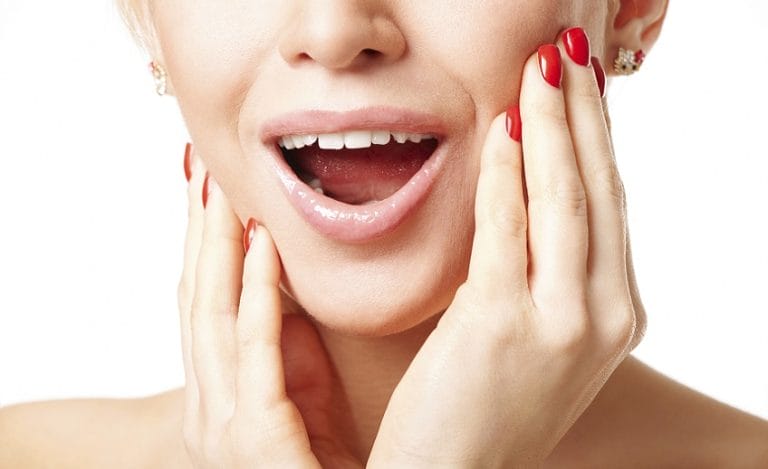
Is mouth breathing bad? Short answer — yes. Long answer — pull up a chair, because as a dentist, I see the effects of mouth breathing every single day, and most people have no idea how much damage it’s quietly doing.
Breathing through your mouth might seem harmless. You’re still getting oxygen, right? But here’s the thing: your nose exists for a reason (several reasons, actually), and when you bypass it, your teeth, your jaw, your face, and your overall health start to pay the price.
Let’s break down everything you need to know about mouth breathing — what causes it, what it does to your body, and most importantly, how to fix it.
What Is Mouth Breathing, Exactly?
This might sound like a silly question, but it’s worth defining. Mouth breathing is exactly what it sounds like — habitually breathing through your mouth instead of your nose. It can happen during the day, at night while you sleep, or both.
Some people don’t even realize they’re doing it. They wake up with a dry mouth, a sore throat, or morning breath that could peel paint off the walls — and they just assume that’s normal. It’s not.
What causes mouth breathing? The list is longer than you’d think. Chronic nasal congestion, allergies, a deviated septum, enlarged tonsils or adenoids, or simply a long-standing habit that started in childhood. Some people develop it as a response to stress or anxiety without ever consciously noticing the switch.
Nose Breathing vs. Mouth Breathing: Why Your Nose Wins Every Time
When you compare nose breathing vs. mouth breathing, it’s not even close. Your nose is an incredibly sophisticated filtration system. It warms the air, humidifies it, and filters out allergens, bacteria, and other particles before they reach your lungs. It also produces nitric oxide, which helps with oxygen absorption and blood flow.
Breathing through your mouth? None of that happens. You’re pulling in dry, unfiltered air that dries out your oral tissues and creates a playground for bacteria.
Think of it this way: breathing through your nose vs. mouth is like drinking water through a Brita filter versus scooping it straight out of a puddle. Same water. Very different experience.
Why Is Mouth Breathing Bad? The Dental Perspective
Here’s where I get to nerd out a little, because the dental consequences of mouth breathing are significant — and wildly underappreciated.
It Dries Out Your Mouth
Saliva is your mouth’s built-in defense system. It neutralizes acids, washes away food particles, and keeps bacterial populations in check. When you breathe through your mouth, especially at night, your saliva evaporates. That dry environment is bacteria’s dream scenario.
Does mouth breathing cause cavities? Absolutely. Patients who are chronic mouth breathers almost always have higher cavity rates. The lack of saliva means acids sit on your teeth longer, enamel breaks down faster, and decay creeps in. I’ve seen it hundreds of times.
It Inflames Your Gums
Dry mouth doesn’t just affect your teeth — it hammers your gums too. Chronic mouth breathers tend to have red, swollen, irritated gum tissue, especially along the front teeth. Sometimes it looks like gum disease even when the patient’s hygiene is decent. The culprit? All that dry air hitting the tissue night after night.
It Changes the Way Your Teeth Align
This one surprises people. When your mouth hangs open constantly, the balance of pressure between your tongue, lips, and cheeks shifts. Over time, this can lead to a narrower upper jaw, crowded teeth, and bite problems. In kids, the effects of mouth breathing on dental development can be dramatic.
Mouth Breathing Face: Yes, It’s a Real Thing
You’ve probably seen the phrase “mouth breathing ruined my face” floating around the internet. Dramatic? A little. But there’s real science behind it.
Chronic mouth breathing — especially during childhood when the face is still developing — can actually change your facial structure. The term “mouth breathing face” describes a recognizable pattern: a longer, narrower face, a recessed chin (sometimes called a mouth breathing chin), flatter cheekbones, and a general “long face” appearance.
What’s happening is that when the mouth stays open, the tongue drops to the floor of the mouth instead of resting against the palate. That tongue pressure is supposed to help widen the upper jaw and support forward facial growth. Without it, the face grows downward instead of forward.
Can mouth breathing face be reversed in adults? This is one of the most common questions I hear. The honest answer is: partially. In children and teens whose bones are still growing, early intervention — like orthodontic expansion, myofunctional therapy, or addressing airway obstructions — can make a huge difference. In adults, the skeletal changes are more set, but there are still options. Orthodontics, jaw surgery in more severe cases, and simply retraining yourself to nose breathe can improve soft tissue posture and overall appearance. Before and after mouth breathing comparisons in patients who’ve committed to treatment can be genuinely impressive.
There’s been a lot of buzz about mouth breathing celebrities and viral before and after photos online. While some of those comparisons are exaggerated, the underlying principle is legitimate — how you breathe shapes how your face develops.
Mouth Breathing at Night: The Silent Troublemaker
Mouth breathing at night is especially problematic because you can’t consciously correct it while you’re asleep. You might be a perfect nose breather all day long and still spend eight hours with your mouth wide open once you’re out.
Signs you’re breathing through your mouth at night include waking up with a dry mouth or sore throat, snoring, poor sleep quality, waking up feeling unrested, and (your partner’s favorite) drooling on the pillow.
Mouth breathing during sleep also has a connection to sleep-disordered breathing, including obstructive sleep apnea. If you use a CPAP machine and struggle with CPAP mouth breathing — where air leaks out of your open mouth and reduces the machine’s effectiveness — that’s a sign this needs to be addressed.
How to Stop Mouth Breathing
Alright, the part you’ve been waiting for. Here’s the practical stuff.
1. Figure Out Why You’re Doing It
Before you can fix mouth breathing, you need to identify the root cause. Is it allergies? A deviated septum? Enlarged adenoids? Habit? A conversation with your dentist or an ENT specialist is a smart starting point. Mouth breathing treatment starts with diagnosis.
2. Address Nasal Obstructions
If you physically can’t breathe through your nose, no amount of willpower is going to fix this. Treating allergies, using nasal rinses, or — in some cases — surgery to correct structural issues can open the door (or the airway, rather) to nasal breathing.
3. Try Myofunctional Therapy
Myofunctional therapy is basically physical therapy for your mouth and facial muscles. It retrains your tongue posture, strengthens your lip seal, and helps establish a nose-breathing habit. It’s especially effective for kids, but adults can benefit too.
4. Mouth Taping (Yes, Really)
Mouth breathing tape has exploded in popularity, and for good reason — it works for a lot of people. The concept is simple: you place a small strip of tape over your lips before bed to encourage nose breathing while sleeping. It sounds bizarre, but many patients report dramatically better sleep quality once they get used to it.
A couple of caveats: don’t use regular duct tape (please), and make sure you can actually breathe through your nose before taping your mouth shut. Use products specifically designed for this purpose, and talk to your doctor first if you have any concerns.
5. Chin Straps
A chin strap for mouth breathing is another option, especially for CPAP users. It wraps around your head and keeps your jaw closed during sleep. Not the most glamorous look, but effective.
6. Positional Changes
How to stop mouth breathing at night sometimes comes down to simple adjustments. Elevating your head slightly, sleeping on your side instead of your back, and keeping your bedroom humidity at a comfortable level can all help reduce the tendency to open your mouth during sleep.
Mouth Breathing in Kids: Why Early Intervention Matters
If you’re a parent, this section is for you.
When do babies start breathing out of their mouth? Newborns are actually obligate nose breathers for the first few months of life — meaning they strongly prefer nasal breathing and can struggle if their nose is blocked. Newborn mouth breathing or baby mouth breathing can sometimes signal nasal congestion or other issues worth discussing with your pediatrician.
As kids grow into toddlers, mouth breathing becomes a bigger concern. A mouth breathing toddler might snore, sleep restlessly, have behavioral issues, or show early signs of the facial changes we talked about earlier. If you notice your child consistently breathing through their mouth — during the day, during sleep, or both — bring it up with your dentist or pediatrician sooner rather than later.
How to stop mouth breathing in a child usually involves a team approach: your dentist, an ENT if there’s an airway obstruction, an orthodontist if there are jaw development concerns, and potentially a myofunctional therapist. The earlier you catch it, the better the outcomes.
A Quick Note About Cats (Because You Asked)
I know, I know — this is a dental blog. But search data doesn’t lie, and a surprising number of you are googling “cat breathing with mouth open” and “cat open mouth breathing” right alongside your own mouth breathing concerns.
Here’s the quick version: cats are obligate nose breathers. If your cat is breathing through their mouth, it’s almost always a sign of stress, overheating, or a medical issue like respiratory distress or heart disease. Cat breathing through mouth is not normal for them. If you see it happening regularly, get your cat to the vet. This is especially true if you notice open mouth breathing in a cat that seems lethargic or unwell — it can be a sign of a serious condition that needs immediate attention.
Now back to human teeth.
The Bottom Line
Mouth breathing is one of those things that seems minor but can have major consequences for your dental health, your facial development, your sleep quality, and your overall wellbeing. The good news? It’s fixable. Whether it’s treating the underlying cause, retraining your breathing habits, or exploring tools like mouth tape and myofunctional therapy, there are real solutions that work.
If you suspect you or your child is a chronic mouth breather, don’t ignore it. Talk to your dentist about it at your next visit — or better yet, schedule one specifically to discuss it. We see the signs of mouth breathing every day in our patients’ mouths, and we can help point you in the right direction.
Your nose was designed for breathing. Let it do its job.
Have questions about mouth breathing or want to discuss treatment options? Schedule an appointment with 3V Dental — we’re here to help you breathe easier and smile healthier.